
The Karoo Hunter’s Guide: How to Handle Your Game for Perfect Biltong
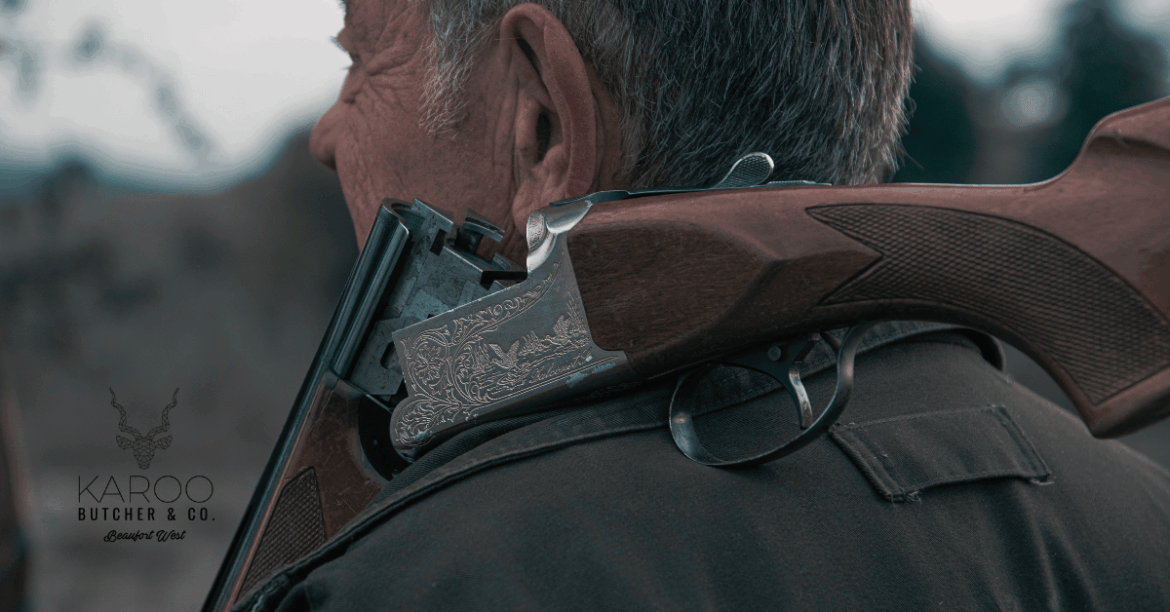
Hunting in the Karoo during a crisp, freezing winter morning is a bucket-list experience for many local and international hunters.
However, your job does not end when you pull the trigger. Proper field care is the single most important factor in determining the quality of your biltong, droëwors, and venison steaks.
Here is a step-by-step guide for hunters on how to handle a carcass in the veld:
1. Bleed the Animal Immediately
The moment you confirm the animal is dead, you must bleed it.
-
- Cut the throat or insert a knife into the brisket base.
- Sever the main carotid arteries to drain blood quickly.
- Position the carcass head-down on a slope if possible.
- Remove blood to prevent rapid bacterial growth and spoilage.
2. Eviscerate (Gut) in the Veld
Do not wait until you get back to the slaughterhouse or camp. Gut the animal within 30 minutes of the kill to prevent “gut taint” from gas buildup.
-
- Roll the buck onto its back.
- Cut carefully from the pelvis to the sternum.
- Use two fingers to shield the knife blade from puncturing intestines.
- Split the pelvic bone to remove the bung (anus) cleanly.
- Pull out the stomach, intestines, heart, and lungs.
3. Keep the Carcass Clean and Dry
Karoo dust can ruin meat quality, but water can be even worse if used incorrectly.
-
- Wipe the inside of the cavity with a clean, dry cloth.
- Use a damp cloth only to remove spilled stomach contents.
- Avoid splashing excessive water inside, as moisture breeds bacteria.
- Prop the chest cavity open with a clean stick to maximize airflow.
4. Manage the Cool-Down Process
While Karoo winters are famously freezing at night, winter days can still get surprisingly warm under the bright sun.
-
- Get the carcass out of direct sunlight immediately.
- Keep the skin on to protect the meat from dust during transport.
- Load the carcass into the back of the bakkie carefully.
- Never stack multiple warm carcasses on top of each other. Stacking traps body heat and causes the meat to sour.
5. Transport Safely to the Camp or Cold Room
The drive from the veld back to the farm yard requires careful planning.
-
- Hang the carcass in the farm’s cooling shed as soon as you arrive.
- Ensure the cold room is running between 0°C and 4°C.
- Let the meat age with the skin on for 2 to 4 days to allow rigor mortis to pass. This makes the venison significantly more tender.
6. Deliver to the Processing Facility
When you are ready to transport your cold game to a commercial butcher or processing facility, temperature control remains your priority.
- Wrap the carcasses in clean mutton cloth to protect them from dust.
- Pack them tightly in a well-insulated trailer or a refrigerated cooler box.
- Avoid long daytime drives in an open bakkie bed where the sun can heat the meat.
- Present a clean, well-cooled carcass to your butcher to guarantee the highest yield of top-tier biltong.